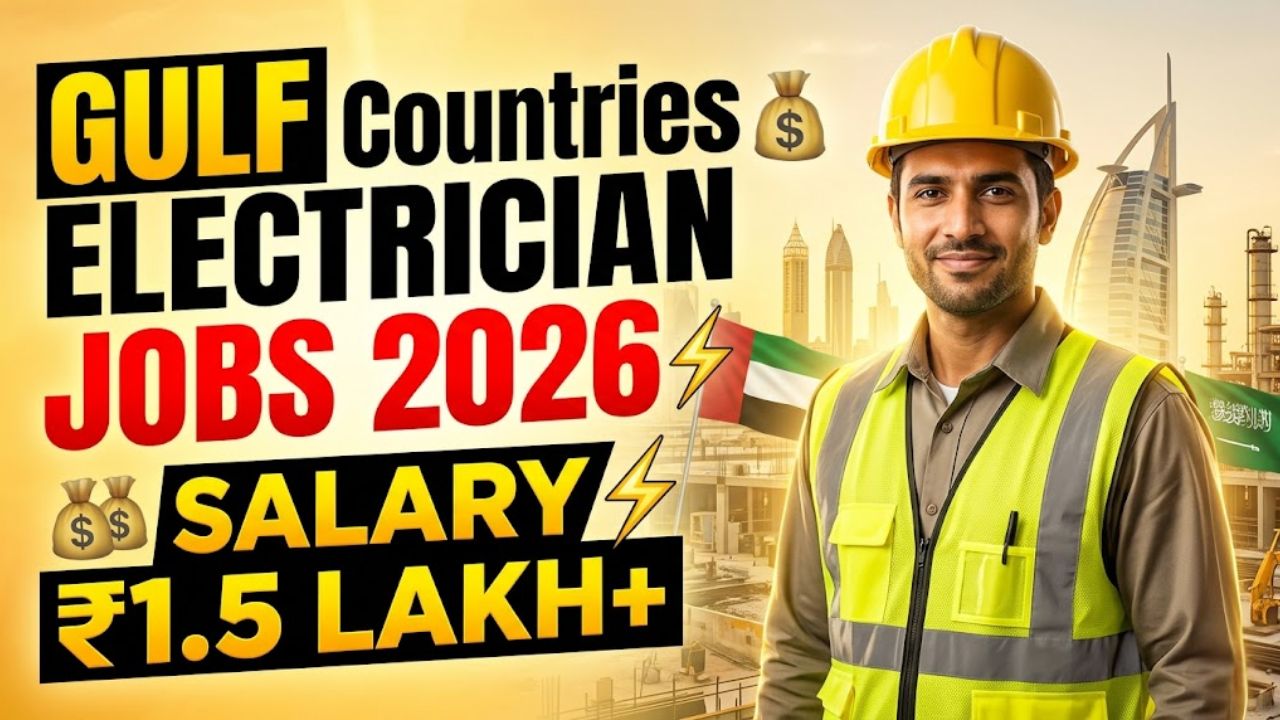
Looking for electrician jobs in Gulf countries? You are in the right place. The Gulf region, including Saudi Arabia, UAE, Qatar, Kuwait, Oman, and Bahrain, is booming with construction and infrastructure projects. Therefore, skilled electricians are in high demand across these countries. Moreover, the salary packages are attractive, and the work opportunities are genuinely life-changing for many professionals. So, if you are an electrician planning to work abroad, this guide will walk you through everything you need to know, from salary expectations to the step-by-step application process.
Why Gulf Countries Are the Best Destination for Electrician Jobs
The Gulf Cooperation Council (GCC) countries have been investing billions of dollars in infrastructure, real estate, and energy projects. Consequently, the demand for skilled tradespeople, especially electricians, has skyrocketed in recent years. Additionally, countries like Saudi Arabia are pushing their Vision 2030 agenda, which involves massive construction and industrial development. Therefore, electricians with the right skills and certifications can find stable, well-paying jobs in these regions without much difficulty.
Moreover, the Gulf offers a tax-free salary structure in most countries, which means you take home everything you earn. In addition, employers often provide free accommodation, food allowances, and medical insurance, making the overall package even more attractive. So, overall, working as an electrician in the Gulf is not just a job; it is a genuine opportunity to build your savings and secure your future.
Gulf Countries Hiring Electricians in 2025
Currently, several Gulf countries are actively hiring electricians for various projects. However, each country has its own demand level and salary range. Therefore, understanding which country suits your profile is very important before you apply.
| Country | Average Monthly Salary (USD) | Top Hiring Sectors |
|---|---|---|
| Saudi Arabia | $600 to $1,500 | Construction, Oil and Gas, NEOM Project |
| UAE (Dubai/Abu Dhabi) | $700 to $2,000 | Real Estate, Hospitality, Infrastructure |
| Qatar | $600 to $1,800 | Stadiums, Metro, Energy Projects |
| Kuwait | $500 to $1,400 | Government Projects, Oil Sector |
| Oman | $450 to $1,200 | Tourism Projects, Industrial Zones |
| Bahrain | $450 to $1,100 | Commercial Buildings, Utilities |
Additionally, salary levels depend heavily on your experience, certifications, and the type of employer you work for. Therefore, a highly experienced industrial electrician will always earn more than a general wiring technician.
Electrician Job Types Available in Gulf Countries
The Gulf job market offers a wide variety of electrician roles. Moreover, each role comes with different responsibilities and salary expectations. So, identifying the right job type based on your skills is the first smart step toward a successful Gulf career.
Industrial Electrician: These professionals work in factories, power plants, and oil refineries. Consequently, they earn the highest salaries among all electrician categories in the Gulf region.
Construction Electrician: These electricians handle wiring and electrical installations in new buildings and infrastructure projects. Additionally, this is the most commonly available role across all six GCC countries.
Maintenance Electrician: These professionals are responsible for maintaining electrical systems in hotels, hospitals, and commercial buildings. Moreover, this role offers long-term job stability since every facility needs ongoing maintenance.
Instrumentation Electrician: These are specialized professionals who work with control systems and instrumentation panels, mostly in the oil and gas industry. Therefore, they command premium salaries in countries like Qatar and Saudi Arabia.
High Voltage Electrician: These experts handle transmission lines and high-voltage power systems. In addition, this is a highly skilled and well-compensated role that requires specific certifications.
Electrician Salary in Gulf Countries: Detailed Breakdown
Salary is obviously one of the biggest factors when considering Gulf employment. However, it is important to understand that your total compensation includes more than just your basic pay. Therefore, always evaluate the full package before accepting any offer.
| Experience Level | Monthly Salary Range (USD) | Additional Benefits |
|---|---|---|
| Fresher (0 to 2 years) | $400 to $700 | Accommodation, Food, Visa |
| Mid-Level (3 to 5 years) | $700 to $1,200 | Accommodation, Insurance, Flight |
| Experienced (6 to 10 years) | $1,200 to $1,800 | Full Package with Family Visa Option |
| Senior or Specialist | $1,800 to $3,000+ | Premium Package, Car Allowance |
Furthermore, many employers in the UAE and Saudi Arabia offer annual bonuses, overtime pay, and end-of-service gratuity. So, if you plan your career wisely and stay with a reputable employer for several years, your total savings can be truly significant.
Required Skills and Qualifications for Gulf Electrician Jobs
Before applying, you need to make sure your skills and documents meet the Gulf employers’ expectations. Moreover, having the right certifications dramatically increases your chances of getting hired and earning a higher salary. Therefore, invest in upgrading your qualifications before you start applying.
Technical Skills Required:
First and foremost, you need a strong understanding of electrical wiring, circuit installation, and fault diagnosis. Additionally, knowledge of low voltage and high voltage systems will give you a significant advantage. Furthermore, familiarity with safety standards like IEC, OSHA, or local Gulf electrical codes is highly valued by employers.
Certifications That Boost Your Profile:
Moreover, holding internationally recognized certifications can open doors to better-paying jobs. In addition, the following qualifications are most commonly preferred by Gulf employers.
| Certification | Preferred By |
|---|---|
| ITI Electrician Certificate | All Gulf Countries |
| NCVT or SCVT Diploma | Saudi Arabia, UAE, Qatar |
| City and Guilds (UK) | UAE, Bahrain |
| DEWA Approved Certification | Dubai (UAE) |
| SEC Certification | Saudi Arabia |
| NEBOSH or IOSH Safety | Oil and Gas Sector |
Additionally, basic English communication skills are very important since most supervisors and project managers communicate in English on Gulf worksites.
Documents Required to Apply for Electrician Jobs in Gulf
Getting your documents in order is a critical step that many applicants overlook. However, missing even one document can delay your visa process significantly. Therefore, prepare all the following documents well in advance.
First, you will need a valid passport with at least six months of remaining validity. Additionally, your educational certificates and trade certificates must be attested by the relevant government authority in your home country. Moreover, a professional resume highlighting your electrical experience is absolutely essential. Furthermore, experience letters from previous employers, passport-size photographs, and a medical fitness certificate are also commonly required.
In addition, some employers may ask for a police clearance certificate to verify your background. So, getting all these documents ready before you start applying will save you a lot of time and stress later.
How to Apply for Electrician Jobs in Gulf Countries: Step-by-Step Process
The application process might seem complicated at first. However, if you follow the right steps, it becomes quite straightforward. Therefore, here is a clear and practical guide to help you land your first Gulf electrician job.
Step 1: Prepare Your Resume and Documents
First, create a professional resume that clearly lists your skills, certifications, and work experience. Additionally, make sure all your educational and trade certificates are properly attested.
Step 2: Search for Jobs on Trusted Platforms
Moreover, use reliable job portals to find genuine electrician vacancies in the Gulf. In addition, the following platforms are widely used and trusted by both employers and job seekers.
| Job Portal | Best For |
|---|---|
| Bayt.com | UAE, Saudi Arabia, Qatar |
| Naukrigulf.com | All GCC Countries |
| GulfTalent.com | Senior and Specialist Roles |
| Direct Employer Contact | |
| Indeed Gulf | All Electrician Categories |
| Tanqeeb.com | Saudi Arabia Focused |
Step 3: Apply Through Registered Recruitment Agencies
Furthermore, many Gulf employers hire through licensed overseas recruitment agencies. Therefore, contacting a government-registered manpower agency in your home country is a safe and reliable option. However, always verify the agency’s license before paying any fees to avoid scams.
Step 4: Attend Interviews and Trade Tests
Additionally, many Gulf employers conduct trade tests to verify your practical skills before offering a job. So, practice common electrical tasks like reading circuit diagrams, panel wiring, and fault identification to perform well in these tests.
Step 5: Complete Medical and Visa Formalities
Once you receive a job offer, your employer will typically arrange a medical examination and apply for your work visa. Moreover, you will need to complete biometric enrollment and immigration formalities in your home country before departure.
Step 6: Travel and Join Your Employer
Finally, after your visa is stamped, you can travel to the Gulf country and report to your employer. Additionally, make sure you carry all original documents with you during travel for immigration clearance.
Tips to Avoid Fraud and Fake Job Offers
Unfortunately, job scams targeting Gulf-bound workers are quite common. However, you can easily protect yourself by following a few simple precautions. Therefore, always keep these safety tips in mind during your job search.
First, never pay money to get a job. Legitimate employers and registered agencies do not charge placement fees from workers. Moreover, always verify the company’s existence on LinkedIn or official government portals before sharing personal documents. Additionally, never share your passport copy with unverified contacts online. Furthermore, if a job offer sounds too good to be true, it probably is. So, always trust your instincts and do your research properly.
Career Growth Opportunities for Electricians in Gulf Countries
Working in the Gulf is not just about earning a monthly salary. Moreover, it is a genuine opportunity to grow professionally and move up the career ladder. Therefore, many electricians who start at entry-level positions eventually move into supervisory or project management roles.
Additionally, gaining Gulf work experience significantly boosts your resume and opens doors to better opportunities worldwide. Furthermore, many electricians use their Gulf savings to start their own businesses back home after a few years. So, think of a Gulf job not just as employment but as a long-term career investment.
FAQs
What is the average salary of an electrician in Gulf countries?
The average salary ranges from $450 to $2,000 per month depending on the country, experience level, and job type. Senior electricians and specialists in the oil and gas sector can earn even more than $2,500 per month including allowances.
Which Gulf country is best for electrician jobs in 2025?
The UAE and Saudi Arabia are currently the top destinations for electrician jobs due to massive ongoing construction and infrastructure projects. Qatar also offers excellent opportunities, especially in the energy and industrial sectors.
Do I need a special certification to work as an electrician in the Gulf?
Yes, most Gulf countries require recognized trade certifications such as ITI, NCVT, City and Guilds, or country-specific approvals like DEWA certification for Dubai. Having internationally recognized qualifications greatly improves your chances of getting hired.
How can I apply for electrician jobs in Gulf countries from India?
You can apply through trusted online job portals like Bayt.com, Naukrigulf.com, and LinkedIn, or through government-registered overseas recruitment agencies in your home country. Always verify the agency’s license before proceeding with any application.
Are Gulf electrician jobs safe and legitimate?
Yes, Gulf electrician jobs are safe and legitimate when pursued through verified channels. However, you should always research the employer, avoid paying placement fees, and verify job offers through official company websites or government portals to protect yourself from fraud.
SEE ALSO: